
Texas Robotics Law
Robotics, autonomous systems and physical AI law for Texas businesses, lawyers and deployers.
Texas Robotics Law explains the laws governing machines that move, sense and act in the physical world. Readers can browse topics, read guides, search questions or follow authorities in the Tracker.
Common Robotics Law Questions
- Which laws apply before a company deploys a robot?
- When does a driverless fleet need Texas authorization?
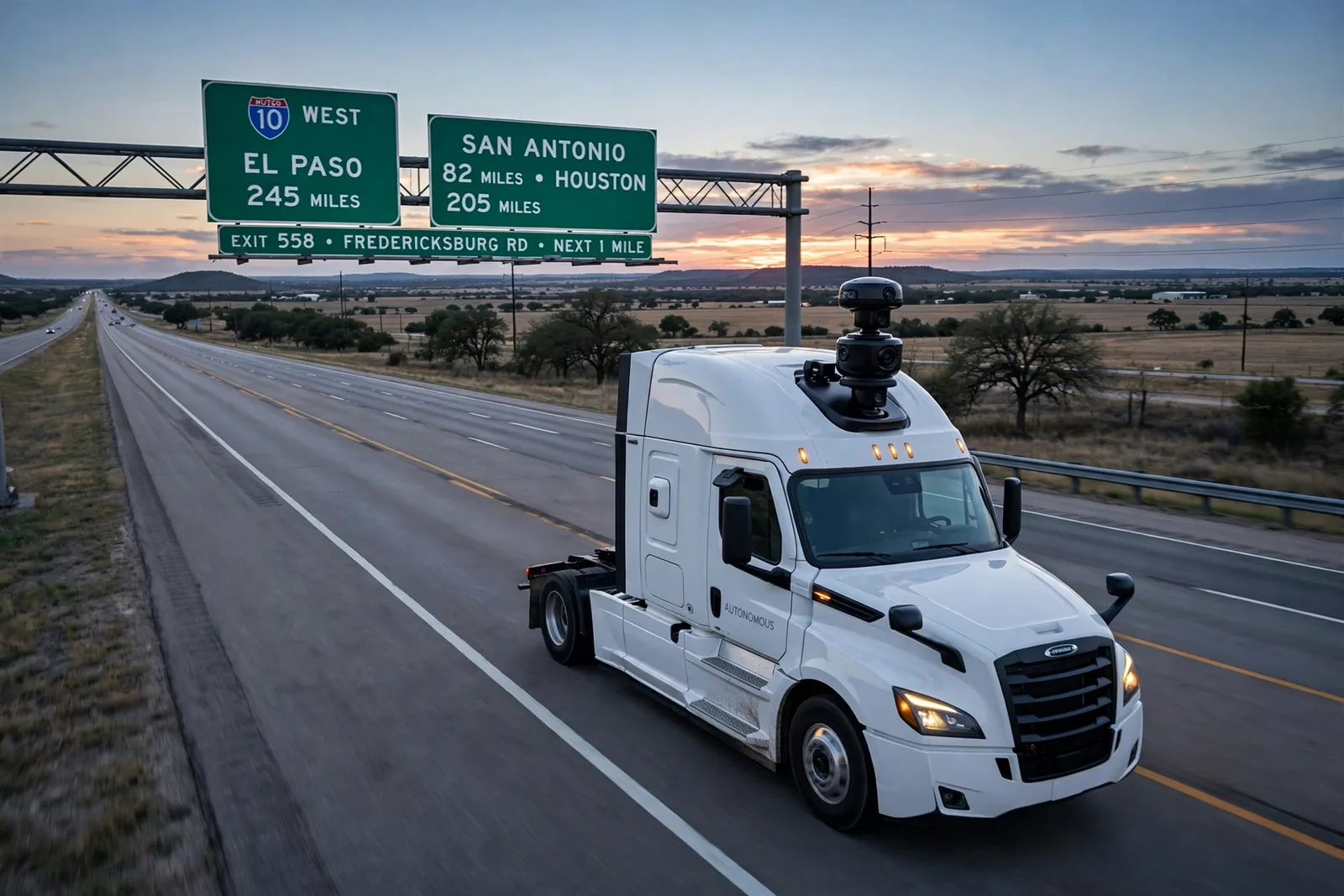
- Which rules apply to an autonomous truck carrying freight?
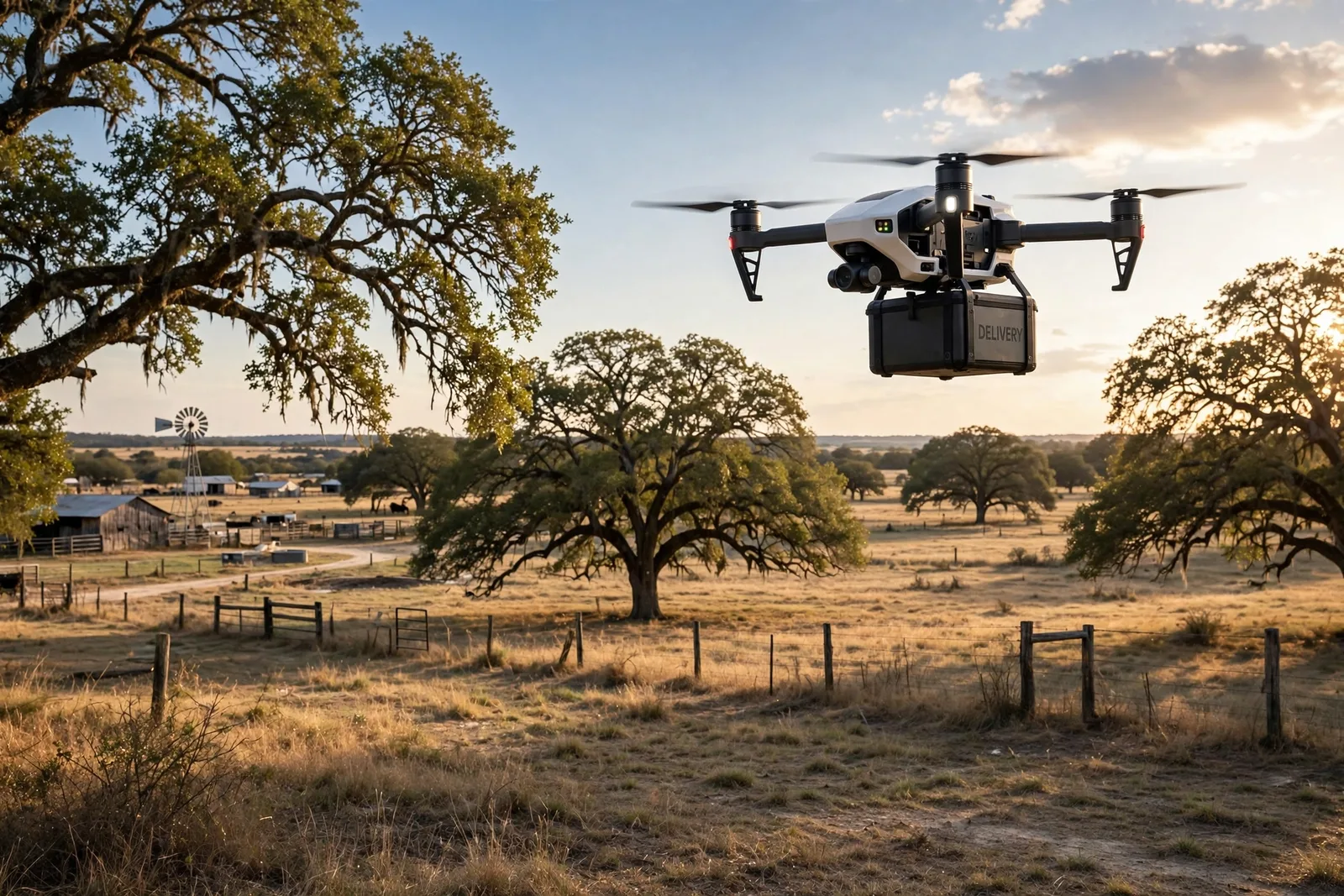
- What must a business check before a Texas drone mission or delivery?
- What changes when robots share a workplace with employees?
- Which laws apply to humanoids in stores, homes or workplaces?
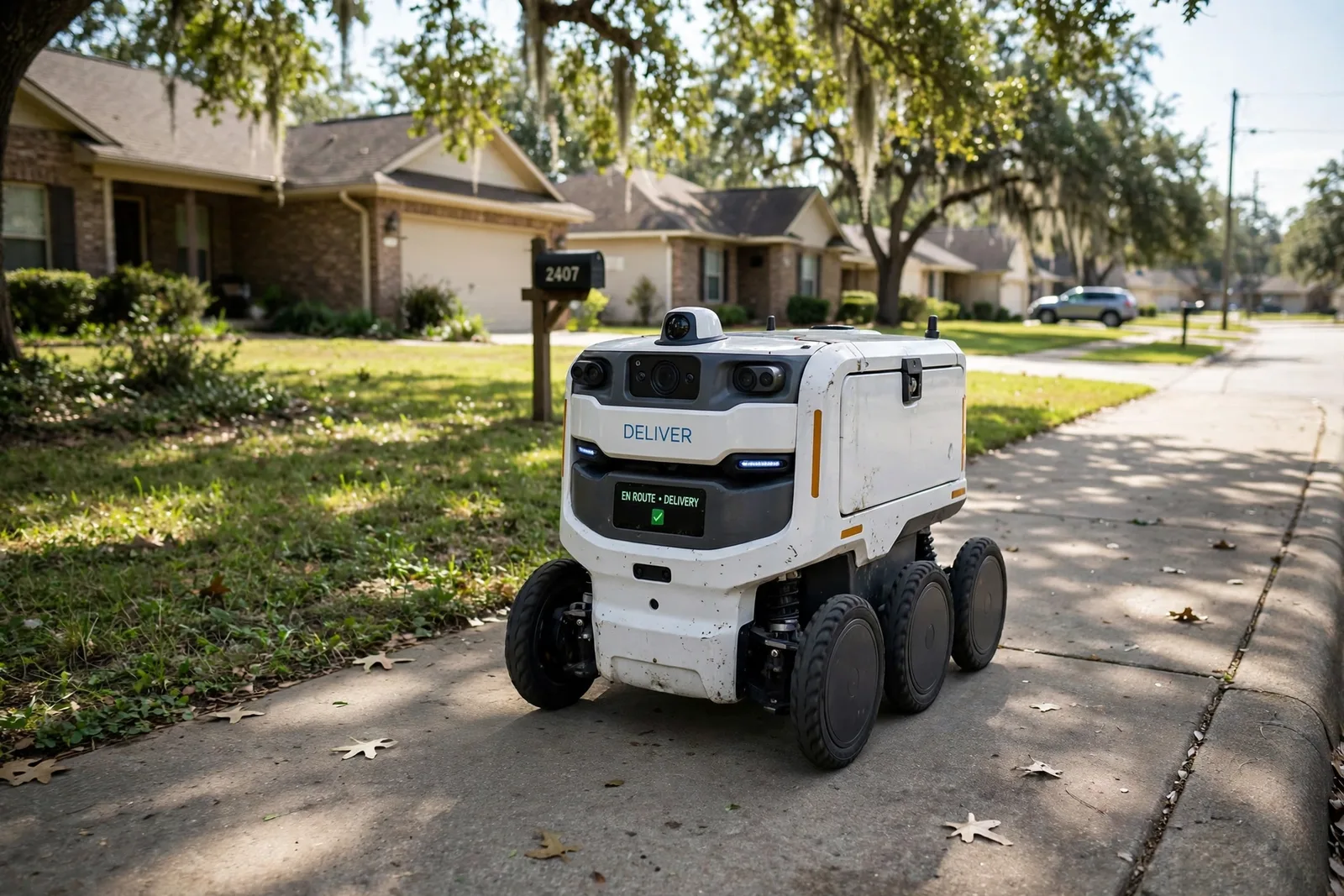
- Which rules govern sidewalk delivery devices?
- Who may be responsible after a robot injury, and which coverage may apply?
- What testing standards and human oversight should a deployment address?
- Which incidents require reports, and which records should be preserved?
- What may a robot collect about the people around it?
- Which security duties affect remote access and software updates?
- What must a Texas public agency address when buying and using robots?
- What belongs in a robot purchase, lease or service contract?
- How are robotics patents, software and trade secrets protected or licensed?
- Who is the operator when no person is driving?
- Which federal rules apply to a vehicle without manual controls?
- Which FCC and purchasing restrictions affect a foreign-made robot?
- Which injury rules apply to a Texas nonsubscriber?
- Which insurance may an autonomous vehicle or drone operation need?
- When does TRAIGA apply to a robot?
- When may a drone fly beyond visual line of sight?
Featured guides
How Robotics Law Applies in Texas
Texas robotics law follows the machine's function, operating environment, control, and information use.
Texas Driverless Vehicle Authorization
Commercial transportation of property or passengers on Texas highways and streets without a human driver requires an active TxDMV automated-vehicle authorization and a first-responder interaction plan provided to DPS.
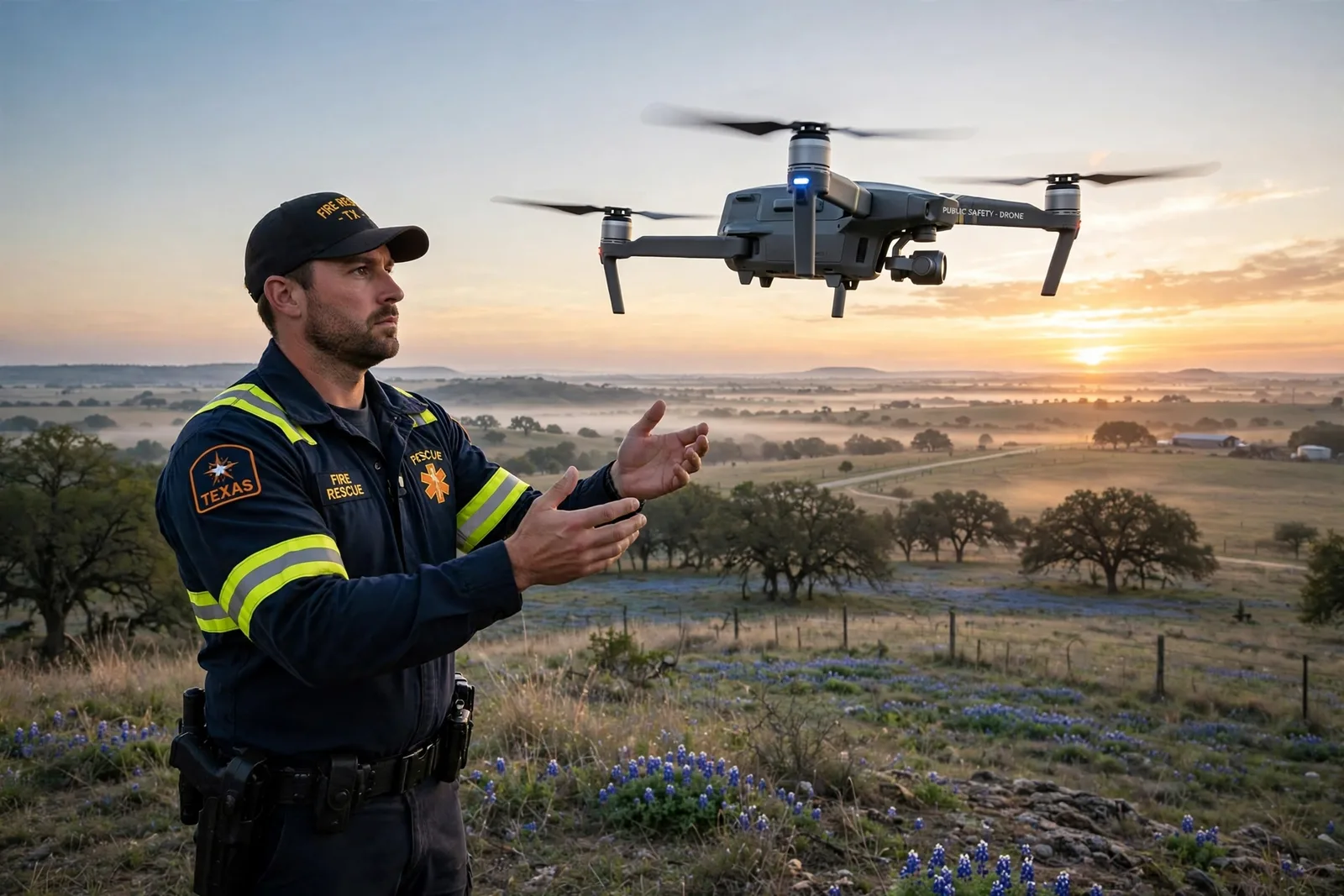
Texas Drone Privacy, Property, and Infrastructure Law
FAA permission to conduct a flight and Texas permission to capture or use an image are separate questions.
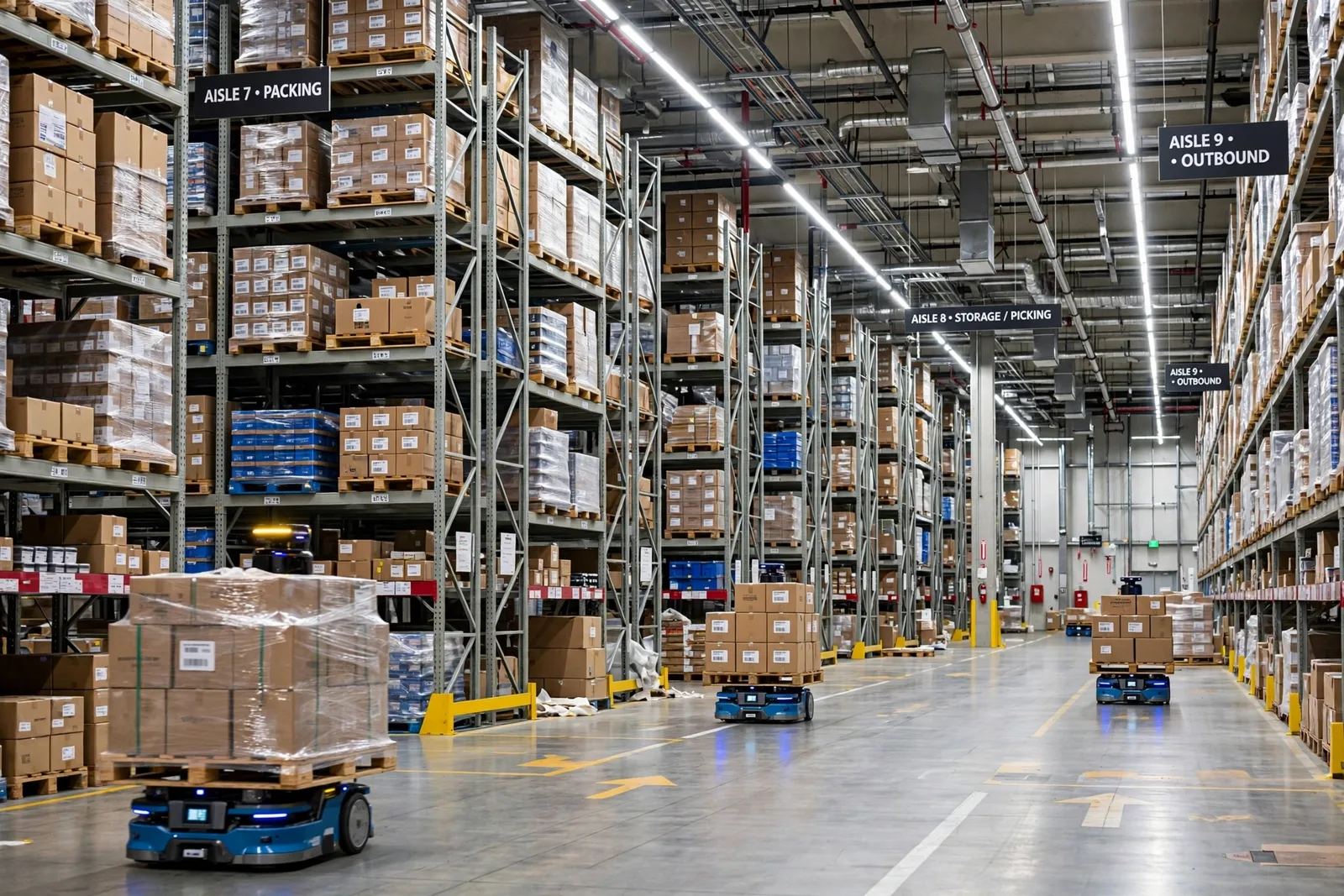
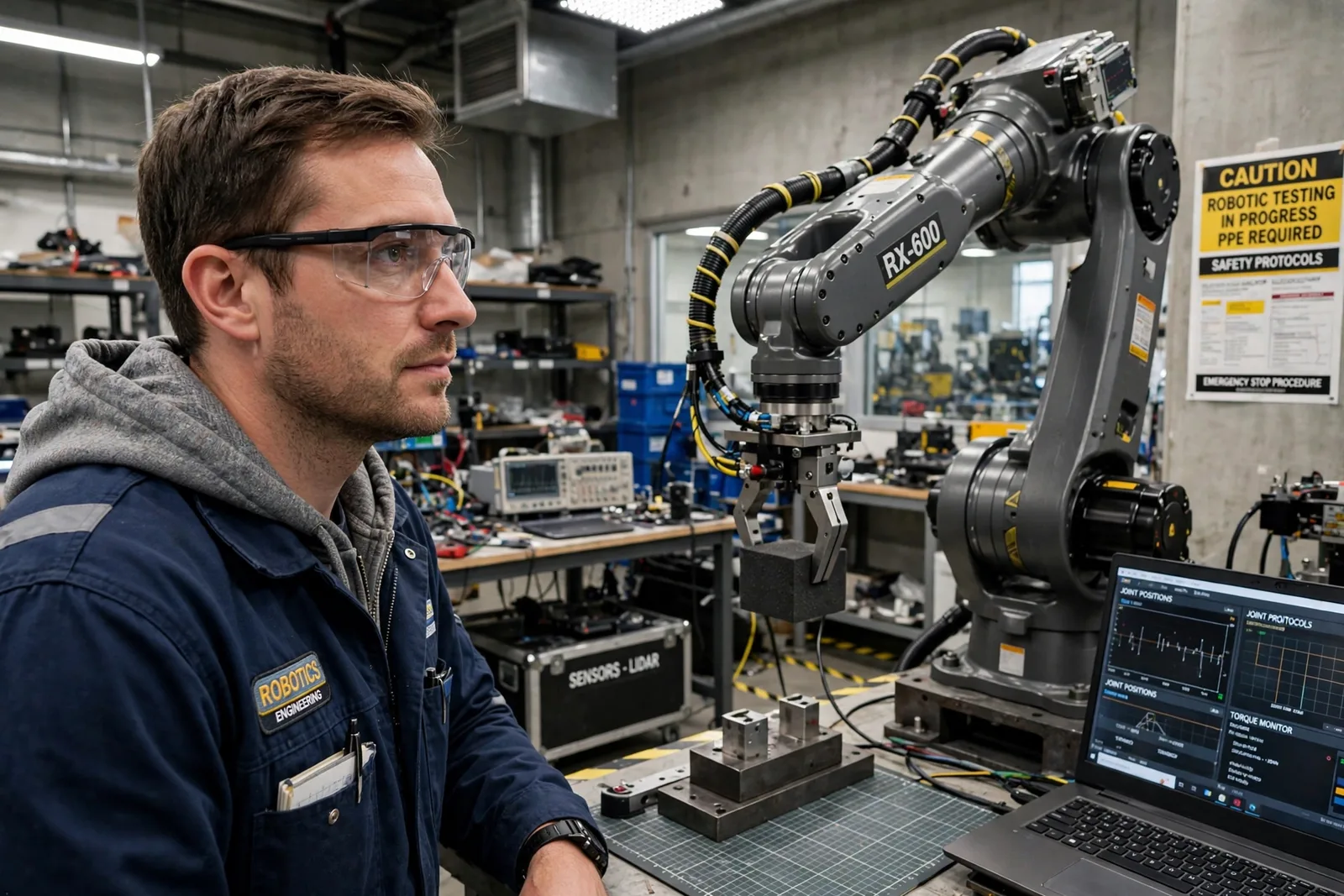
Industrial Robots and Collaborative Applications
An industrial robot installation must be assessed as a complete application, including its tool, payload, surrounding equipment, controls, and human tasks.
Product Liability for Robots and Autonomy Systems
Chapter 82 governs Texas products-liability claims under its definitions and conditions.
Humanoid Service and Consumer Robots
A humanoid or service robot is governed principally by its functions, setting, users, data, and product classification.
Robot Safety Testing and Standards
Robot safety assurance should connect the intended application, hazards, protective measures, tests, and evidence supporting deployment.
Robotics Cybersecurity and Remote Access
Access to a robot can expose information or change physical behavior.
Robotics Patents and Freedom to Operate
Patent protection and freedom to operate are separate inquiries.
Government Robot Procurement, Surveillance, and Records
A Texas public entity must establish authority for the proposed robotic mission, use the purchasing law applicable to that buyer, and address operational rules, data, records, and security restrictions.
FCC Equipment Authorization for Foreign Drones and Robots
FCC Covered List entries can affect equipment authorization for defined foreign-produced UAS and advanced robotic devices.
Topics
Autonomous Vehicles and Commercial Transportation
Driverless trucks, robotaxis, and the Texas authorization that governs them, alongside the federal safety standards that still apply to the vehicle itself. The guides separate the vehicle, the carrier, the service, and the people who support it remotely.
Drones, Uncrewed Aircraft, and Airspace
Commercial, private, public-safety, and agricultural drones under Texas and federal law: image capture, critical infrastructure, Remote ID, package delivery, and flights beyond visual line of sight.
Industrial, Warehouse, and Sector Robotics
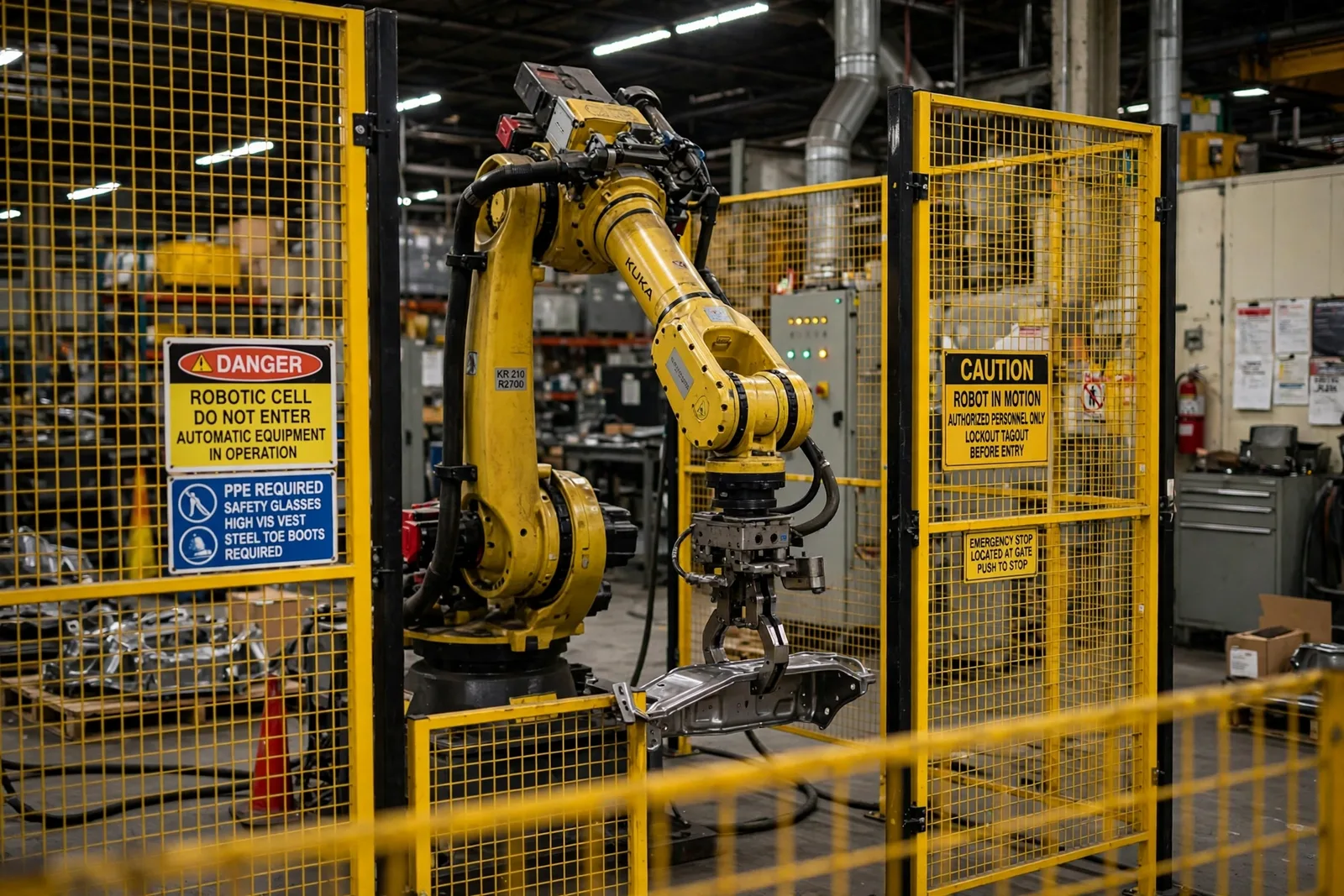
Factory arms, cobots, warehouse robots, and the people who work beside them. OSHA guarding and lockout rules, Texas workers' compensation, and the sector rules for farms, construction sites, energy facilities, and ports.
Service, Delivery, and Humanoid Robots
Sidewalk delivery devices, hotel and store robots, personal-care machines, and humanoids. Right-of-way, local rules, disability access, and the line between a hospital robot and a medical device.
Physical AI Safety Testing, Validation, and Standards
Hazard analysis, operating limits, testing, safety cases, and what happens after an incident. The guides keep binding law apart from voluntary standards, contract specifications, and NIST frameworks.
Liability, Insurance, and Risk Allocation
Who pays when a robot causes harm: Texas product liability and seller indemnity, shared fault, negligent deployment, employer injuries, and insurance. The guides keep contract indemnities separate from what is owed to the person injured.
Data Privacy, Cybersecurity, and AI Governance
The data robots collect, from camera feeds and lidar maps to biometrics, and the Texas laws that apply to it: the Data Privacy and Security Act, the biometric statute, breach notice, and TRAIGA, plus industrial cybersecurity.
Government Use and Public Sector Procurement
How Texas state agencies, cities, counties, and school districts buy and use drones and robots: purchasing law, public records, surveillance limits, and restrictions on foreign equipment.
Intellectual Property, Contracts, and Commercialization
Patents, trade secrets, software copyright, and open-source licenses, plus the contracts that sell, lease, and support robots: joint development, university licensing, repair rights, supply chains, and trade.
Tracker highlights
| Authority | Status |
|---|---|
| Texas Automated Motor Vehicle Law | Statute in Effect (SB 2807 took effect September 1, 2025; commercial driverless authorization became enforceable May 28, 2026). |
| TxDMV Commercial Driverless Authorization Rules | Adopted Rules in Effect (Effective February 27, 2026; enforcement active May 28, 2026). |
| DPS First Responder Interaction Plans | Adopted Rules in Effect. Adoption published in the Texas Register December 26, 2025; compliance required from May 28, 2026. |
| Texas Personal Delivery Devices | Statute in Effect |
| Texas Unmanned Aircraft Law | Statute in Effect (Subject to controlling appellate decisions) |
| National Press Photographers Association v. McCraw | Decided Precedent |
| FAA Small Unmanned Aircraft Operations (Part 107) | Rule in Effect |
| FAA Remote Identification (Part 89) | Rule in Effect |
Recent insights
Texas Commercial Driverless Authorization Is Now Enforced
Since May 28, 2026, Texas has required authorization and a first-responder plan for commercial driverless operation, and the filings must stay current.
First Responder Plans for Texas Driverless Fleets
Texas requires the interaction plan before covered commercial driverless operation.
What the September 2026 Federal AV Strategy Changes
The September 3, 2026 DOT strategy sets an automated-vehicle agenda covering safety standards, regulatory modernization, innovation, and interstate deployment.
FCC Restrictions Reach Foreign-Produced Robotic Devices
FCC DA 26-786 added defined foreign-produced advanced robotic devices to the Covered List on July 28, 2026.
FCC Conditional Approvals Require Product-Level Review
FCC conditional approvals attach to the named platforms and stated conditions.
The BVLOS Proposal and Existing Drone Approvals
Proposed Part 108 describes a future routine-BVLOS framework.
Practical resources
- Deployment Review Worksheet Use this worksheet before a robot, drone, or autonomous vehicle goes into service. It records how the system is classified, which hazards are controlled, which permissions are in hand, and the limits within which it may operate.
- Robot Incident Response Checklist What to do in the first hours after a robot, drone, or autonomous vehicle is involved in a collision, injury, property damage, or security breach.
- Robotics Contract Review Checklist A clause-by-clause review of robot purchases, leases, subscriptions, and integration contracts.
- Robot Data and Evidence Inventory A list of the data a robot creates, where it is kept, for how long, and who controls it.
- Regulators and Approval Paths Matrix The Texas and federal agencies that regulate robots, and the filing each may require.
- Human Oversight and Accessibility Review A framework to evaluate human intervention roles, supervision records, failure procedures, and disability access compliance for physical deployments.
- Robotics Standards Directory Safety standards and NIST frameworks for industrial, collaborative, mobile, and personal care robots and for automated vehicles.
- Robotics Investment and Supply Chain Diligence Checklist A diligence checklist for robotics investments, acquisitions, licenses, and public procurements covering intellectual property, regulatory authorizations, supply chain and export controls, restricted parties, litigation, data and cybersecurity, and a disposition register for open items.
- Robotics Compliance Dates Timeline A calendar of operative dates, reporting windows, comment opportunities, and legislative dates for robotics, with a separate development history of news events.
Definitions
Key statutory, regulatory and technical terms used across the guides, each tied to its controlling authority.
Browse the 67 definitions